Why Smart Plugs Are Becoming Popular in Modern Homes
Tech News
Smart plugs are becoming popular because they offer an easy way to control everyday devices using a phone or voice assistant. They are one of the simplest smart home tools, making them attractive to beginners and busy households.
What Smart Plugs Are and How They Work
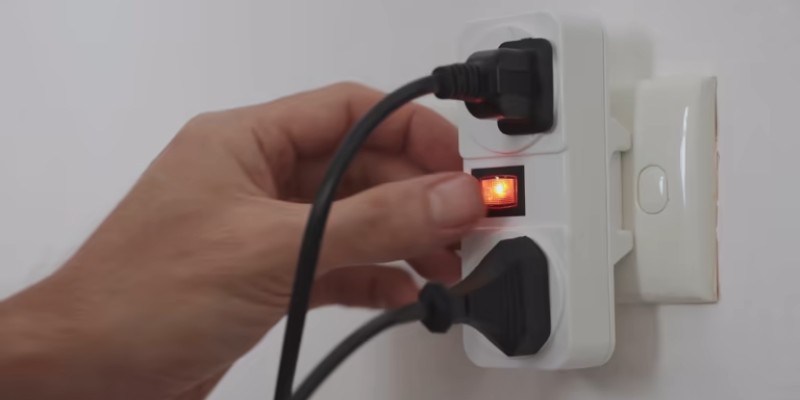
Smart plugs are small devices that sit between a wall socket and an appliance. Once plugged in, they allow the appliance to be controlled digitally instead of manually.
Most smart plugs connect to home Wi-Fi. This connection allows control through mobile apps, schedules, or voice commands. Some models also use Bluetooth for nearby control.
Unlike smart appliances, smart plugs do not replace devices. They upgrade normal electronics into connected devices with minimal effort.
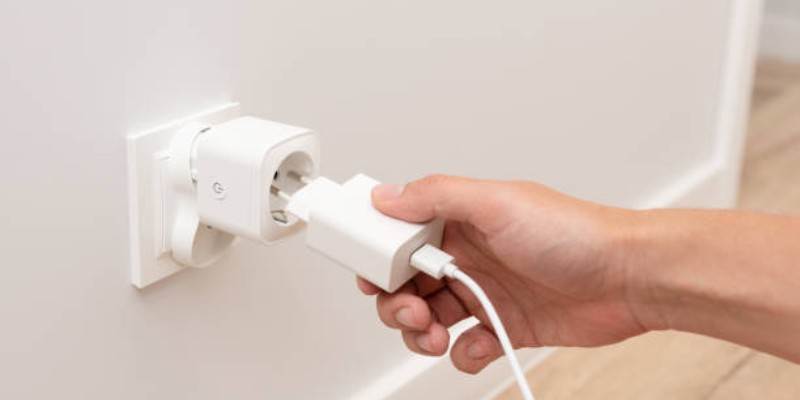
Why Smart Plugs Are Becoming Popular Today
Smart plugs are becoming popular because they solve common daily problems in simple ways. People want convenience without complex systems or rewiring.
Another reason smart plugs are becoming popular is affordability. Compared to full smart home systems, they cost less and work instantly with existing devices.
The growing interest in smart home automation has also pushed adoption. Smart plugs are often the first step into that world.
Smart Plugs and Everyday Convenience
One major reason smart plugs are becoming popular is convenience. Devices can be turned on or off from anywhere using a phone.
Schedules allow appliances to run automatically at set times. Lamps can turn on at night, and heaters can switch off during the day.
Voice control adds another layer of ease. With basic commands, users can manage devices without touching switches.
Energy Savings and Power Management Benefits
Smart plugs are becoming popular for their role in energy efficiency. They reduce wasted electricity by cutting power to idle devices.
Some models show power usage data. This helps users understand which appliances consume the most energy.
By managing usage better, households often lower electricity bills over time. This practical benefit makes smart plugs appealing to cost-conscious users.
Smart Plugs for Home Safety and Peace of Mind
Home safety is another reason smart plugs are becoming popular. Appliances left running can pose risks when unattended.
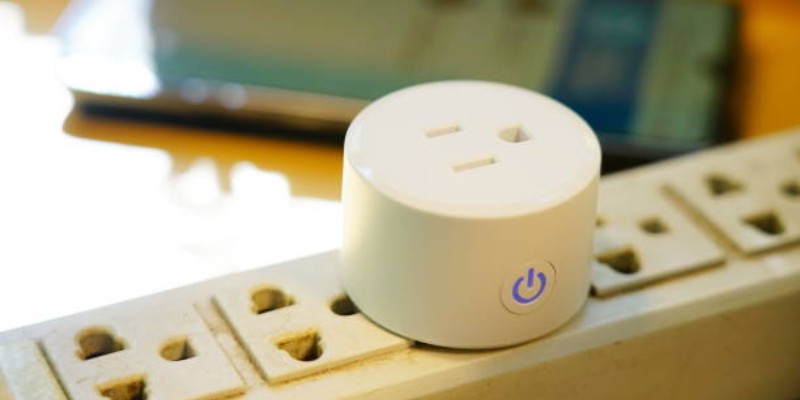
Smart plugs allow users to switch devices off remotely. This reduces worries about irons, heaters, or kitchen appliances.
They are also useful for managing homes with children or older adults. Control and monitoring add an extra layer of reassurance.
Why Smart Plugs Are Popular With Beginners
Smart plugs are becoming popular among beginners because they are easy to set up. Most only require plugging in and connecting to an app.
No tools or professional installation are needed. This makes them ideal for renters or people who dislike technical setups.
The learning curve is low. Users can experience smart home automation without feeling overwhelmed.
Smart Plugs and Smart Home Automation
Smart plugs play an important role in smart home automation. They connect simple devices into a larger automated system.
They often work with voice assistants and automation routines. Lights, fans, or coffee makers can respond to daily schedules.
As more households adopt automation, smart plugs act as building blocks rather than full replacements.
For broader standards and energy guidance, information shared by consumer energy efficiency resources often highlights the value of controlling standby power.
Common Devices People Use With Smart Plugs
Lighting and Lamps
Many people use smart plugs for lamps. This allows automation without changing bulbs or fixtures.
Lights can follow schedules or turn on when someone arrives home. This simple upgrade explains why smart plugs are becoming popular.
Kitchen Appliances
Smart plugs are used for kettles, coffee makers, and similar appliances. Timers make mornings easier and more predictable.
Safety limits should always be checked. Appliances with manual switches work best with smart plugs.
Entertainment and Electronics
TVs, routers, and gaming systems are common choices. Smart plugs help cut power when devices are not in use.
This reduces energy waste and extends device lifespan. These practical uses add to the appeal of smart plugs.
Cost and Accessibility Driving Adoption
Cost is a strong factor in why smart plugs are becoming popular. Many models are affordable and widely available.
Most smart plugs require only a one-time purchase. Ongoing fees are uncommon, which increases trust among buyers.
Because they work with existing devices, users do not need to replace appliances. This keeps entry costs low.
General guidance shared by home technology manufacturers supports the idea that simple upgrades drive adoption.
Limitations and Things Users Should Know
Smart plugs are not suitable for every device. High-power appliances may exceed safe limits.
Internet access is usually required for remote control. If Wi-Fi fails, some features may not work.
Understanding these limits helps users set realistic expectations and avoid misuse.
Who Benefits Most From Using Smart Plugs
Smart plugs are becoming popular among renters because they are portable and non-invasive. They can move with the user.
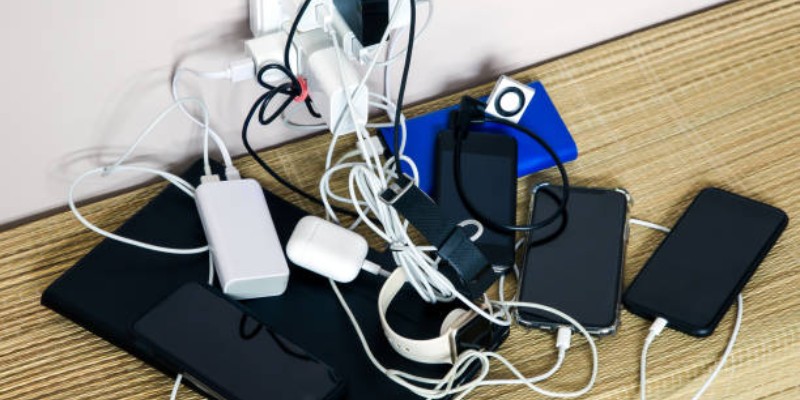
Busy households benefit from automation and schedules. Time savings add up quickly.
People new to smart home automation often start with smart plugs. They offer learning without commitment.
Why Smart Plugs Are Becoming Popular Long Term
Smart plugs are becoming popular not just as a trend, but as a lasting solution. Energy awareness continues to grow worldwide.
Automation is no longer limited to luxury homes. Simple devices now bring smart features to everyday living.
Trusted consumer guidance platforms like independent product testing organizations often reinforce the value of small efficiency upgrades.
Why Smart Plugs Are Becoming Popular in Everyday Living
Smart plugs are becoming popular because they blend simplicity, control, and efficiency. They fit naturally into modern homes without forcing change.
As smart home automation grows, smart plugs remain one of the easiest entry points. Their practical benefits ensure continued use and steady adoption.
Sources
Share this article:
Recommended For You


Most Viewed


ADVERTISEMENT